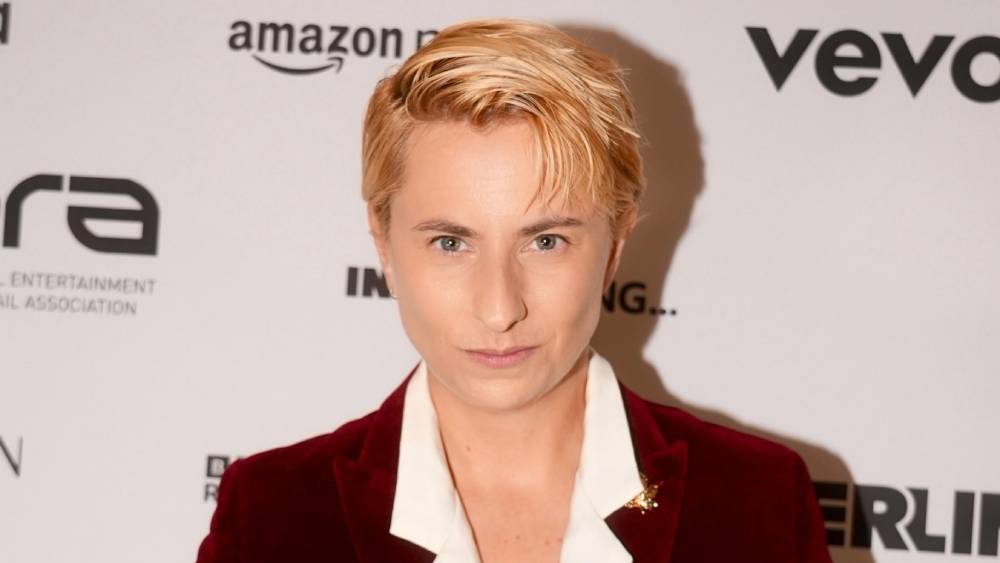
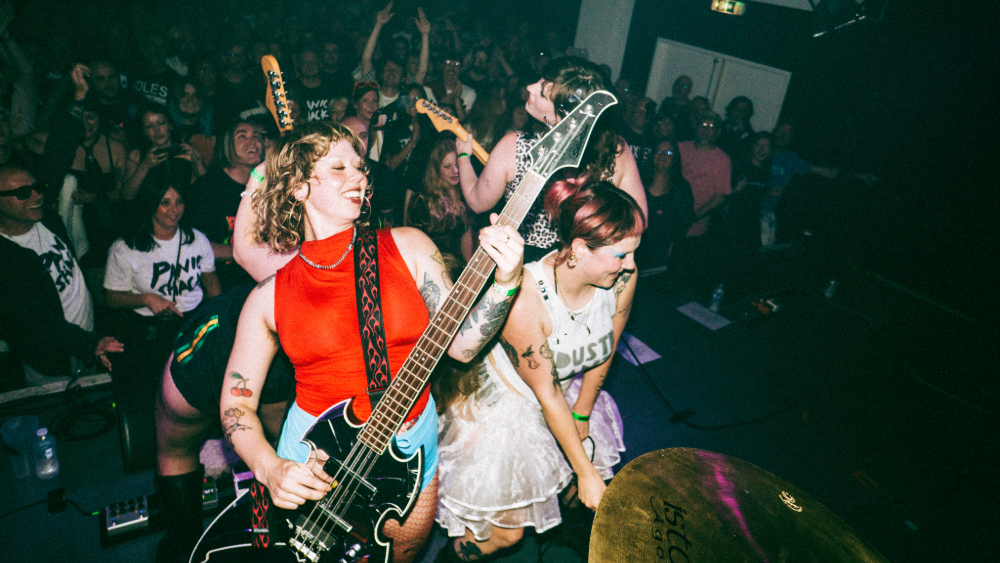
Songwriters, composers and publishers from the PRS community recently gathered in Sheffield for PRS Members’ Day, where ample networking and learning opportunities were on offer for attendees.
One such offering was the Your livelihood: from open mic to the main stage panel, featuring a host of music experts who discussed the importance of live royalties. Moderated by BBC 6 Music and Introducing presenter Emily Pilbeam, our panel — comprised of PRS Members’ Council President Crispin Hunt, artist manager Sarah Brooksbank, International Talent Booking agent Danielle Reginiano and PRS for Music’s Head of Live Music Ian Edgley — shared their views on how music creators can make the most of their live performances by honing their craft, reporting their setlists and sustainably growing their careers.
Here's five key takeaways from our live royalties panel.
The music should always come first
‘There’s nothing more amazing than a good gig in a smaller venue, like [now-shuttered Sheffield venue] The Leadmill,’ Crispin, who formerly fronted Longpigs, told the Members' Day audience. ‘I’ve played stadiums supporting U2, but it’s just not the same.’
Noting the importance of the human connection in music, Crispin said that now more than ever — particularly against the challenging backdrop of AI — the art of songwriting is what should matter most for creators. Making this your top priority, he added, will help creators achieve longevity and, in turn, attract a solid live following.
Sarah — who started out as Arctic Monkeys’ day-to-day manager and now looks after CASISDEAD, Working Men’s Club and Adult DVD — shares that sentiment, noting that social media engagement shouldn't be the be-all and end-all for creators who are looking to rise up the ranks: ‘You can have amazing socials but be unable to sell out a show — the two don’t necessarily correlate. If you’re not great at socials, you can find someone who is. Hone your songwriting and performance [instead], because that’s what really matters.’
Make connections across the live circuit
‘Sometimes pockets of a tour don’t sell, but that’s when a local support act can really help draw people in,’ Danielle, who works with the likes of Biffy Clyro and Editors at ITB, said. ‘A local promoter really helps with that.’ Building a local community of peers who have your back is invaluable, she added, particularly when it comes to securing support slots and opening up the world of touring.
Sarah agreed: ‘Make friends with other artists, because people like going on tour with their mates. You never know who might get big and then offer you a hand up.’
It’s also worth, Emily added, emailing local promoters and asking if they need certain slots to be filled. Make sure you’re specific with these requests and demonstrate knowledge of what gigs are being played and when, and why you’d be the perfect match.
‘Don’t piss promoters off!’ Sarah added with a chuckle. ‘No one appreciates the rock’n’roll behaviour of trashing green rooms any more. Promoters are useful connections to have.’
Make music your business
Live royalties can be such an important revenue stream for music creators, supplementing the performance fee they receive from the promoter or venue.
‘Any aspiring artists need to have their business head on because, at the end of the day, you need to understand and fulfil the required admin in order to make a living from music,’ PRS’s Ian explained.
‘Any business that uses music needs a licence — typically TheMusicLicence from PPL PRS — and that licence generates royalties for the writers who created the music that is played. You therefore need to register your music and report your live shows to PRS so we can pay you royalties. It isn’t sexy, but it’s important.’
While it might not feel like much to begin with, those royalties, as Crispin explained, will start to add up the more you perform and will ultimately help sustain your livelihood as a musician. Staying on top of your admin, then, is part and parcel of being a professional gigging music creator.
‘Look at yourself as a business: what are your strengths and weaknesses?’ Sarah asked. ‘Before you start performing live, ask yourself: do I have enough good material? The aim of performing live is to grow your audience, so are you well-rehearsed? Have you honed your audience interactions and developed a stage presence?
'Think about your own development by reflecting on each show and what you can add or change. You need a long-term strategy to evolve as a live performer, so keep in mind where you want to go. What’s the goal?’
It’s also important, Sarah added, to seek out any live opportunities that align with your current career level: ‘Multi-artist events and festivals are useful for discovering a new audience, as the crowd is primed and receptive to finding new music. They’re open and willing to like you, so it’s a good way to build a fanbase.’
Understand the realities — and costs — of playing live
While tours have become more expensive to run, fees for support slots haven’t increased, according to Danielle. How, then, should you approach budgeting for life on the road?
‘The touring budget dictates how many shows you play,’ she replied. ‘Your [performance] fee is about covering your costs at the start; not making a profit. Every penny you make should go back into the music.’
Would creators benefit from working with a booking agent? ‘As long as you can prove you can sell out venues and have done the groundwork of building a strong fanbase, which an agent can elevate and grow,’ she said, with Sarah adding in agreement: ‘Agents will recognise you’ve done the work. That’s when they’ll become interested.’
While you should be wary of these factors, one gig, as Crispin noted, ‘can be worth 100 rehearsals — if someone sees you live and likes you, they’ll stick with you. While the cost of touring is high, it really can be worth the investment.’
Don’t miss out on funding and opportunities that can support your live ambitions
From rising touring costs to the post-Brexit red tape that has made touring in Europe so difficult, the panel were in agreement that there are various challenges facing today’s live performers.
But there are still reasons to be cheerful. PRS Foundation, for example, offer a range of funding grants that are dedicated to supporting artists in their live endeavours. Two such offerings are the PPL Momentum Music Fund and the International Showcase Fund, which have supported the likes of Sam Fender, Little Simz and Wolf Alice with their live ambitions in the past.
Moderator Emily also pointed attendees to M’s Festival Application Guide as a great resource for creators who want to make a splash on the festival circuit in 2026.